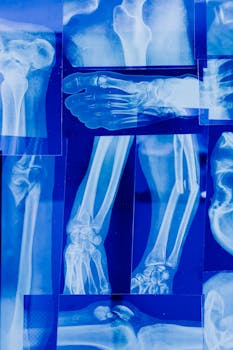
Experiencing a pilon bone fracture can be daunting due to the severity of this injury. Often occurring from high-energy impacts such as car accidents or falls, this type of fracture involves the tibia near the ankle joint. Understanding the treatment options and recovery process for a pilon bone fracture is crucial for individuals to navigate their healing journey effectively.
Understanding Pilon Bone Fracture
A pilon bone fracture, also known as a distal tibial fracture, affects the lower part of the tibia. This area bears significant weight and involves complex movement, making fractures particularly challenging. The severity can range from simple to complex, depending on the fracture pattern and impact on surrounding soft tissues. Pilon fractures demand timely medical intervention to prevent long-term complications such as arthritis or stiffness.
Causes and Risk Factors
Most pilon fractures result from high-energy traumas. Common causes include traffic collisions, sports injuries, and falls from a height. Certain risk factors, like osteoporosis or conditions that weaken the bones, can make individuals more susceptible even to low-energy impacts. Preventative measures, such as protective gear for athletes and fall-proofing the home environment for the elderly, can mitigate some risks.
Diagnosing Pilon Fractures
Accurate diagnosis begins with a physical examination followed by imaging tests. An X-ray is typically the first step, providing an overview of the fracture. A CT scan may be recommended for more detailed images, particularly if the fracture is complex. Prompt and precise diagnosis is imperative to devise an effective treatment plan.
Treatment Options for Pilon Bone Fracture
Treatment varies based on the fracture severity. Immediate management may involve stabilizing the fracture and controlling swelling. Non-surgical options, like casts or braces, are chosen for less severe cases. However, surgery is often necessary for severe or displaced fractures to realign and stabilize the bones using plates, screws, or rods.
Surgical Intervention
Surgery aims to restore the normal anatomy of the ankle joint, allowing for proper movement and reducing long-term complications. Post-operative recovery typically involves immobilization and a carefully structured rehabilitation program to regain strength and mobility.
Non-Surgical Treatment
In cases where surgery is not required, immobilization with a cast or brace allows the bone to heal naturally. This approach necessitates regular follow-ups to ensure proper bone healing and to adjust the treatment plan as necessary. Physical therapy plays a pivotal role in restoring function after the bone has healed.
Rehabilitation and Recovery
Recovery from a pilon bone fracture can be extensive, often requiring several months. The initial recovery period may focus on managing pain and swelling, followed by gradually increasing weight-bearing activities as healing progresses. Physical therapy is tailored to help recover strength, flexibility, and balance.
Challenges and Complications
While modern treatments are effective, some patients face challenges such as persistent pain or reduced range of motion. In some cases, arthritis can develop due to joint surface damage. Patients are encouraged to maintain regular follow-up appointments to monitor for complications and address them promptly.
Emotional and Psychological Aspects
The recovery process can be emotionally taxing, particularly for active individuals. Support from family, friends, and healthcare professionals is vital. Psychological counseling or support groups can also be beneficial for overcoming obstacles associated with fracture recovery.
For more insights into bone health, including important signs and treatment information, visit our comprehensive guide on bone cancer awareness.
Long-Term Outlook
Most individuals recover completely with proper treatment and rehabilitation. While some may experience long-term modifications due to the injury, following medical advice and participating actively in rehabilitation can significantly enhance outcomes. For more detailed information on health-related inquiries, consider reviewing resources like the health Wikipedia page.
Healing from a pilon bone fracture requires dedication and patience. With the right combination of medical treatment, physical rehabilitation, and emotional support, individuals can achieve a successful recovery.
- Pilon bone fractures involve severe injury to the lower tibia and ankle joint.
- Surgery is often required to realign and fix the bones properly.
- Recovery requires a personalized rehabilitation plan to restore mobility.
- Ongoing medical follow-ups are essential to detect and manage complications.
- Emotional support is crucial for a successful recovery journey.
FAQ
What are common symptoms of a pilon bone fracture?
Common symptoms include severe pain, swelling, inability to bear weight, and visible deformity around the ankle.
How long does recovery from a pilon bone fracture take?
Recovery time can vary but often takes several months, with physical therapy extending the rehabilitation process.
What activities should be avoided during recovery?
It is advisable to avoid weight-bearing activities until cleared by a healthcare professional, as premature movement can hinder healing.
Are there complications associated with pilon fractures?
Possible complications include arthritis, joint stiffness, and persistent pain. Early medical intervention can help mitigate these risks.
Can pilon bone fractures be prevented?
While not all injuries can be prevented, measures such as wearing protective gear and maintaining bone health through nutrition can reduce the risk.