The presence of green mold in your home can be concerning, not just for aesthetic reasons but also due to potential health implications. Green mold typically appears in areas with high humidity and moisture and indicates that there might be a larger mold infestation. Understanding how to identify and safely remove green mold is crucial for maintaining a healthy living environment.
What is Green Mold?
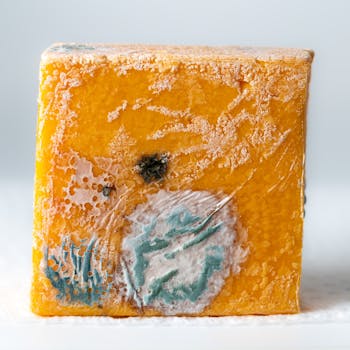
Green mold is not a single species of mold but a common term for various green-colored fungi such as Aspergillus, Cladosporium, and Penicillium. These molds thrive in damp areas like bathrooms, kitchens, and basements. The presence of green mold often points to excessive moisture, which could be due to water leaks or poor ventilation.
Identifying Green Mold in Your Home
Recognizing green mold is the first step in addressing the issue. Here are some tips to identify it effectively:
- Look for green or bluish-green patches on walls, ceilings, or within air conditioning units.
- Notice any musty or earthy odors, which are common indicators of mold.
- Check for water stains or discoloration on surfaces, suggesting moisture accumulation.
Health Implications of Green Mold
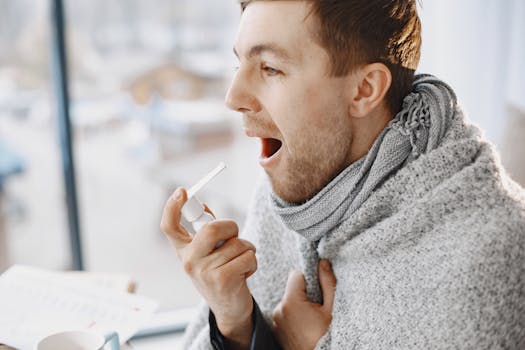
While not all mold is harmful, some individuals may experience allergic reactions or respiratory issues when exposed to green mold. Symptoms could include sneezing, coughing, skin irritation, and in severe cases, asthma attacks. Extended exposure to mold may require consultation with a healthcare professional.
How to Safely Remove Green Mold
Removing green mold requires caution and proper techniques to avoid spreading spores. Here are some methods to remove it safely:
- Wear protective gear, including gloves, goggles, and a mask, to prevent inhalation and direct skin contact.
- Mix a solution of one part bleach to ten parts water and apply on non-porous surfaces.
- Use a soft brush to scrub the area, then rinse and dry thoroughly to prevent recurrence.
- For persistent mold or extensive infestations, consider hiring a professional remediation service.
Preventing Green Mold Growth
Prevention is key to keeping green mold at bay. Implement these strategies in your home:
- Ensure proper ventilation in damp areas by using exhaust fans in bathrooms and kitchens.
- Fix leaks and maintain gutters to prevent water from seeping into your home.
- Use dehumidifiers in high-humidity areas to regulate moisture levels efficiently.
Additional Resources
For more information on mold and its health impacts, you can refer to this detailed article on mold. Furthermore, improving your home’s air quality can be complemented by a healthy lifestyle, as discussed in our article on how your microbiome influences wellness.
Conclusion: Managing Green Mold
Addressing green mold not only involves identifying and removing existing mold but also implementing preventative measures to ensure it does not return. Living in a mold-free environment can significantly improve overall health and well-being.
- Green mold often indicates high moisture levels in the home.
- Identify and treat mold early to prevent health issues.
- Always use protective gear when removing mold.
- Maintain proper ventilation and control humidity to prevent mold growth.
- Seek professional help for extensive mold infestations.
FAQs
What causes green mold to grow?
Green mold typically grows in areas with excessive moisture or humidity. Common causes include water leaks, poor ventilation, and high humidity levels.
Is green mold dangerous?
While not all green mold is harmful, it can cause allergic reactions and respiratory issues in susceptible individuals. Long-term exposure should be avoided.
Can I remove green mold myself?
Small instances of green mold can be removed using protective gear and proper cleaning solutions. However, significant infestations should be handled by professionals.
How can I prevent green mold in my home?
Prevent mold by fixing leaks promptly, improving ventilation in humid areas, and using dehumidifiers to maintain optimal moisture levels.
Can green mold affect my pets?
Yes, pets can also be affected by mold and may show symptoms similar to humans, such as respiratory distress or allergic reactions.