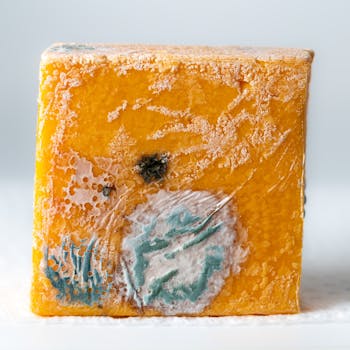
In recent years, concerns about mold and its potential health risks have led homeowners to seek effective solutions to keep their living spaces safe. One popular option that has emerged is mold killing paint. But how effective is this paint in dealing with mold problems in homes?
Understanding Mold Killing Paint
Mold killing paint is specially formulated to help combat mold growth on walls and other surfaces. It contains antifungal and antibacterial agents aimed at inhibiting mold growth. Many homeowners find this type of paint beneficial, especially in areas prone to moisture, such as bathrooms and basements.
Mold can cause a range of health issues, from mild allergies to more severe respiratory problems. Mold killing paint might provide a proactive measure in addressing these concerns, by creating a hostile environment for mold spores.
How Does Mold Killing Paint Work?
The primary mechanism through which mold killing paint works is its active ingredients, often comprising fungicides and mildewcides. These chemicals target and reduce mold spores’ ability to thrive, especially on painted surfaces. While it does not eliminate mold already present, it can prevent new growth when applied to a clean, mold-free surface.
This paint is particularly useful in high-humidity areas where mold is more likely to develop. However, it’s crucial to identify and fix underlying moisture issues for the best results, as no paint can replace proper moisture control.
Benefits of Using Mold Killing Paint
Beyond preventing mold, these paints offer additional benefits:
- They can improve air quality by reducing mold-related allergens in the home.
- They provide a fresh, clean look to rooms that might otherwise be prone to dampness.
- Some paints even offer added protection from bacteria and germs.
It is important to remember that while mold killing paint can be a helpful tool, it should be part of a broader strategy, including moisture control and regular cleaning, to maintain healthy indoor air quality. For a comprehensive understanding of factors influencing indoor health, you might find our guide on gut bacteria and health insightful.
Choosing the Right Mold Killing Paint
When selecting mold killing paint, consider the following factors:
- Surface Type: Ensure the paint is compatible with the surface you plan to cover.
- Location: Choose based on whether the area is indoors or outdoors and the level of exposure to moisture.
- Finish: Generally, semi-gloss or gloss finishes are better suited for moisture-prone areas.
- Brand Reputation: Opt for paints from reputable manufacturers who emphasize safety and effectiveness.
Researching product reviews and manufacturer guidelines will also assist in making an informed choice. For more detailed information on paint options and recommendations, manufacturers’ websites or home improvement guides are valuable resources.
Considerations and Limitations
While mold killing paint can be useful, it’s not a cure-all. Here are some considerations:
- It does not kill existing mold spores. Affected areas should be thoroughly cleaned before application.
- Address underlying moisture issues, such as leaks or poor ventilation, to prevent future mold growth.
- Take appropriate safety precautions when applying paint, especially in enclosed spaces.
To ensure safety, always check the product’s label for application guidelines and potential health warnings.
Safety and Environmental Impact
Modern mold killing paints are designed with safety in mind, often with low VOC (volatile organic compounds) levels to minimize indoor air pollution. Nonetheless, it’s critical to use the paint as directed and provide adequate ventilation during application and curing.
Environmentally conscious homeowners may seek brands that prioritize eco-friendly materials and packaging. As awareness and technology advance, more options become available that balance mold prevention with environmental sustainability.
Final Thoughts on Mold Killing Paint
Incorporating mold killing paint into your home maintenance strategy can be a beneficial step towards a healthier indoor environment. While it offers preventive benefits, it’s most effective when combined with good ventilation, moisture control, and regular cleaning habits. Ensuring your home remains mold-free doesn’t just enhance your living space aesthetically, but also contributes to your wellbeing. For more insights on maintaining health at home, consider reading our extensive resources on healthy lifestyles and home environments.
Takeaways
- Mold killing paint helps inhibit new mold growth on clean surfaces.
- It is most effective when used alongside moisture control strategies.
- Not a substitute for eliminating existing mold.
- Provides added benefits for indoor air quality.
- Research products to ensure safety and effectiveness.
FAQs
What is mold killing paint?
Mold killing paint is a special type of paint that contains additives to prevent mold growth on treated surfaces.
Can mold killing paint be used on any surface?
It’s designed for specific surfaces; always check the manufacturer’s guidelines to ensure compatibility.
Does mold killing paint eliminate existing mold?
No, it prevents future growth rather than eliminating mold already present. Clean the area thoroughly before applying.
Is mold killing paint safe to use indoors?
Yes, when used as directed. Most modern formulas contain low VOCs, minimizing indoor air pollution.
Where can I learn more about mold prevention?
For more in-depth information, consult resources from reputable sources like Wikipedia’s health section or those by government health organizations.