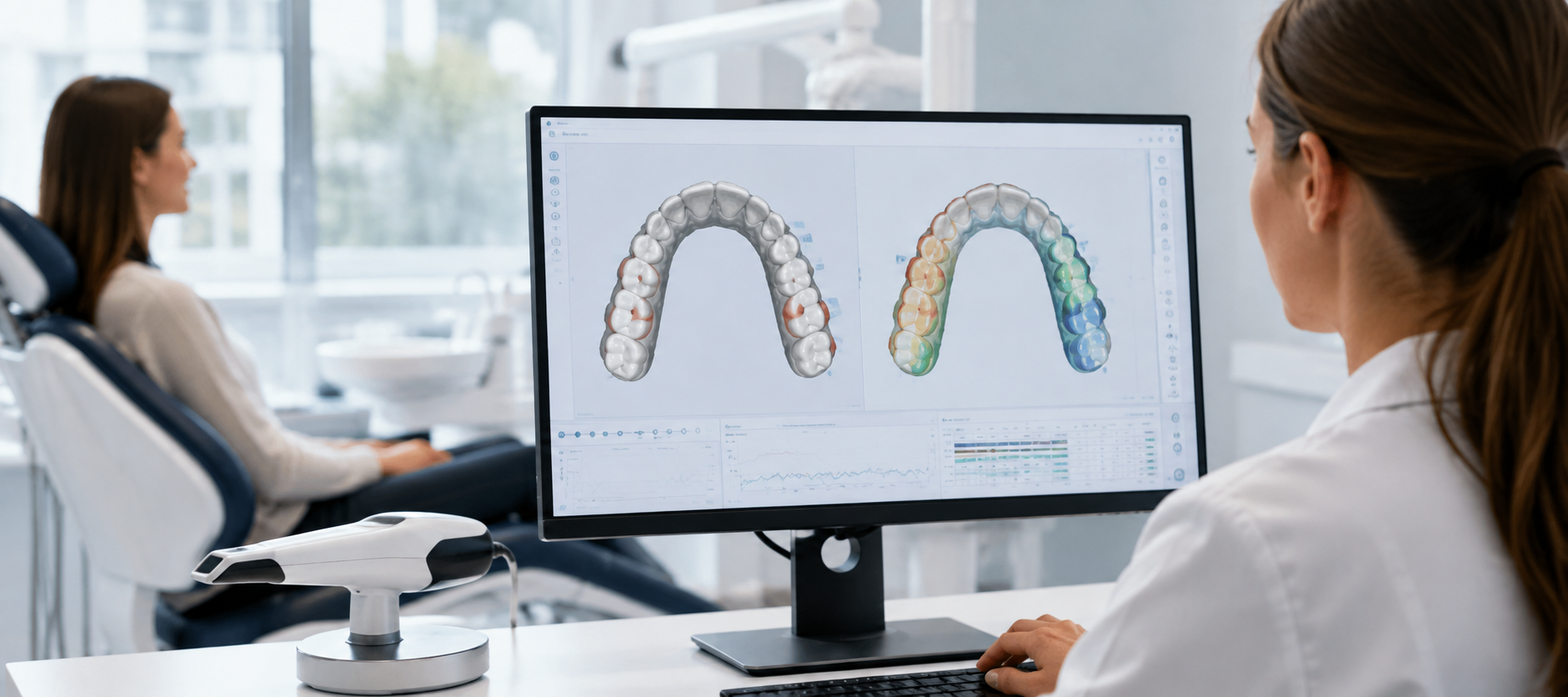
The world of dental health is constantly evolving, and advancements like 4 in one teeth implants are at the forefront of this change. These implants offer an innovative solution for those looking for comprehensive dental restoration. In this guide, we’ll explore what 4 in one teeth implants are, their benefits, and considerations for those interested in this dental procedure. Whether you’re suffering from multiple tooth loss or seeking alternatives to traditional dentures, understanding these implants can pave the way to a confident and radiant smile.
Understanding 4 in One Teeth Implants
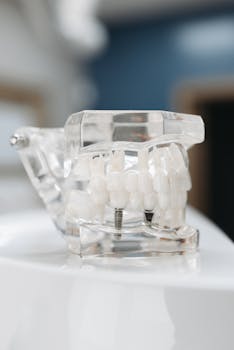
The 4 in one teeth implants, sometimes also referred to as all-on-4 implants, are designed to replace a full set of teeth using four strategically placed implants in the jaw. This method provides a stable and secure foundation for prosthetic teeth, offering a more permanent solution compared to removable dentures.
These implants are typically used for patients with significant tooth loss or decay who desire a fixed dental solution. Unlike traditional implants that require one implant per tooth, the all-on-4 technique maximizes the use of available bone, reducing the need for bone grafting.
Benefits of 4 in One Teeth Implants
There are numerous advantages to choosing 4 in one teeth implants:
- Stability and Security: The design of the implants ensures they are fully anchored in the jaw, providing stability similar to natural teeth.
- Aesthetic Appeal: The implants support aesthetically pleasing prosthetic teeth, offering a natural appearance.
- Functional Efficiency: With these implants, patients can enjoy better chewing efficiency compared to traditional dentures.
- Long-term Solution: When well-maintained, these implants can be a long-lasting dental solution.
Who Should Consider 4 in One Teeth Implants?
Ideal candidates for 4 in one teeth implants include individuals with failing teeth or those suffering from extensive tooth loss. Those who are tired of dealing with the limitations of removable dentures might also find this option appealing. It’s important for candidates to have sufficient bone density in their jaws to support the implants, although modern techniques can enable those with minimal bone to still receive implants.
Consulting with a dental professional is crucial to determine suitability for the procedure. A thorough examination, including imaging studies, will help in planning the placement of the implants.
The Procedure for 4 in One Teeth Implants
Initial Consultation
During the initial consultation, your dentist will evaluate your oral health and discuss your needs. This may include taking X-rays or 3D images to understand your jawbone structure and to identify the best locations for the implants.
Surgical Procedure
The surgical placement involves the insertion of four titanium implant rods into the jaw. This procedure is generally performed under sedation or local anesthesia. The implants are placed at specific angles to maximize contact with the bone, ensuring stability and support.
Recovery and Placing Prosthetic Teeth
The healing process, known as osseointegration, allows the implants to fuse with the jawbone, typically taking a few months. After healing, a custom set of prosthetic teeth are securely attached to the implants, completing the transformation.
Potential Risks and Considerations
As with any surgical procedure, there are risks involved. Possible complications include infection, implant failure, or nerve damage. It’s essential to discuss these risks with your dental surgeon and weigh them against the benefits.
Additionally, maintaining oral hygiene is vital after getting 4 in one teeth implants. Regular dental check-ups and proper cleaning can help ensure the long-term success of the implants.
For a comprehensive overview of different types of dental implants, you can read more on our article about dental implants options.
Financial Considerations
4 in one teeth implants can be a significant investment. Many dental practices offer financing options to help manage the costs. Insurance coverage may vary, so checking with your provider is advisable to understand what is covered under your plan.
Conclusion and Next Steps
4 in one teeth implants offer a groundbreaking solution for those seeking a stable, aesthetic, and long-term option for tooth replacement. By understanding the procedure, benefits, and considerations, you can make an informed decision about whether this dental innovation is right for you. As with any health decision, consulting with a knowledgeable dental professional is crucial for personalized advice and care.
For further reading on dental health, check out the Wikipedia article on dental implants. Remember, the journey to a confident smile begins with informed decisions.
Takeaways
- 4 in one teeth implants provide a permanent solution for extensive tooth loss.
- This procedure offers stability, function, and aesthetic benefits.
- An initial consultation helps assess suitability for the implants.
- Maintenance of good oral hygiene is essential for implant longevity.
- Consult with your dental professional for personalized advice.
FAQs
What are 4 in one teeth implants?
4 in one teeth implants are a dental procedure that uses four implants to support a full set of prosthetic teeth, offering a stable alternative to traditional dentures.
Who is a good candidate for these implants?
Ideal candidates are those with significant tooth loss or failing teeth looking for a fixed, long-term solution and who have sufficient bone density in their jaws.
How long does the procedure take?
The surgical placement of the implants can be completed in a day, but the overall process, including healing and placing the final prosthetics, may take several months.
Are 4 in one teeth implants safe?
The procedure is generally safe, but as with any surgery, there are potential risks. Discussing these risks with your dentist is critical for understanding the procedure thoroughly.
Will my insurance cover the cost of 4 in one teeth implants?
Insurance coverage varies. It’s important to check with your insurance provider to determine what is covered under your plan regarding these implants.