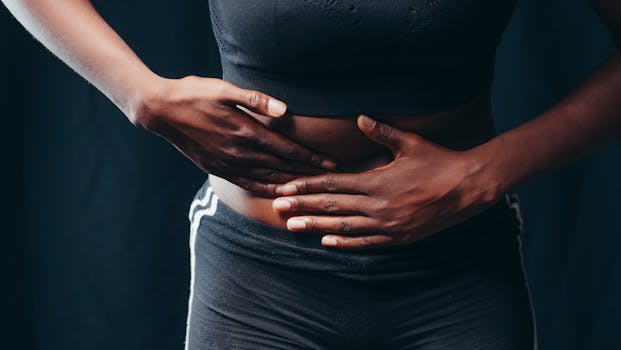
Many people find themselves asking the question, “why does my stomach hurt every time I eat?” Experiencing stomach discomfort after meals can be frustrating and concerning. Understanding the potential causes is the first step in seeking relief and improving your digestive health.
Why Does My Stomach Hurt Every Time I Eat?
Stomach pain after eating can arise from a variety of causes. Identifying the specific trigger requires examining symptoms and patterns. Here are common reasons why your stomach might hurt whenever you eat:
1. Food Intolerances or Allergies
Intolerances, such as lactose intolerance or gluten sensitivity, can cause stomach pain. The body’s inability to properly digest certain components results in discomfort, gas, and bloating. A thorough evaluation, including dietary tracking, can identify specific intolerances.
2. Gastroesophageal Reflux Disease (GERD)
Characterized by heartburn and acid reflux, GERD occurs when stomach acid flows back into the esophagus. Pain typically arises shortly after eating and can vary in intensity.
3. Irritable Bowel Syndrome (IBS)
IBS is a common condition that affects the digestive tract. It leads to cramps, constipation, diarrhea, and the question, “why does my stomach hurt every time I eat?” The exact cause of IBS remains unknown, but managing stress and diet can alleviate symptoms.
4. Gastritis
Gastritis involves inflammation of the stomach lining, causing pain after eating. Overuse of alcohol, medications like aspirin, or infections can lead to gastritis. Treatment depends on the underlying cause.
5. Anxiety and Stress
Emotional stress and anxiety can manifest physically, causing stomach pain. The connection between the mind and gut is well-established, and techniques like mindfulness can help. Learn more about how anxiety can affect your abdomen.
6. Peptic Ulcers
Open sores on the stomach lining known as peptic ulcers can cause burning pain. These sores often worsen after eating certain foods and require medical management for healing.
7. Eating Disorders
Conditions like anorexia or bulimia can lead to abnormal eating patterns, which stress the digestive system. Professional help can guide recovery and address associated stomach pain.
When to Seek Medical Attention
If stomach pain is persistent, severe, or accompanied by other symptoms such as weight loss, blood in stool, or vomiting, it’s crucial to see a healthcare professional. Diagnosing the cause is essential to receiving the appropriate treatment.
Self-Management Tips for Stomach Pain
While it’s important to consult a healthcare professional for persistent issues, consider these self-management tips to alleviate discomfort:
- Identify food triggers and avoid them.
- Eat smaller, more frequent meals.
- Incorporate stress-reduction techniques like yoga or meditation.
- Stay hydrated and maintain a well-balanced diet.
Learn more about maintaining your overall health by exploring credible resources.
Discovering “why does my stomach hurt every time I eat” involves understanding these possible causes and making informed lifestyle changes. For persistent or severe symptoms, medical advice is essential.
- Food intolerances can cause stomach pain.
- GERD and IBS are common culprits.
- Mental health can impact physical symptoms.
- Seek professional help for severe or persistent issues.
- Self-management strategies may provide relief.
What foods commonly trigger stomach pain?
Foods such as dairy, gluten, spicy foods, and caffeine can trigger reactions in people sensitive to them.
Can stress cause stomach pain after meals?
Yes, stress and anxiety can affect digestive health, often resulting in discomfort or pain following meals.
How can I manage pain from GERD?
Maintaining a healthy weight, avoiding trigger foods, and using medications as advised can help manage GERD symptoms.
Are stomach pains always serious?
Not always, but chronic or severe pain warrants medical consultation to rule out serious conditions.
What changes can I make to ease my symptoms?
Dietary adjustments, stress reduction, and hydration can help relieve symptoms, but consult a healthcare provider for personalized advice.