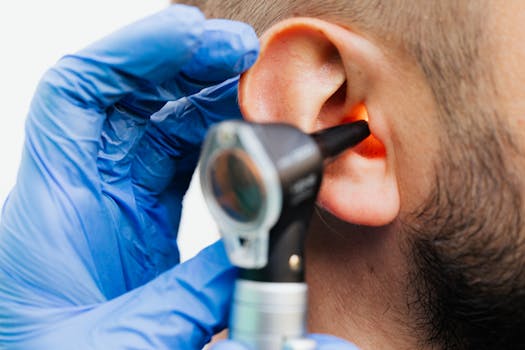
Experiencing ear pain can be quite uncomfortable, but it may surprise you to learn that it sometimes affects areas beyond just the ear itself. For those wondering, can an ear infection cause jaw pain? The short answer is yes. Ear infections can indeed lead to pain that radiates to the jaw. Understanding the connection between ear infections and jaw pain can help in managing symptoms more effectively.
Can an Ear Infection Cause Jaw Pain?
Ear infections, medically known as otitis, occur when bacteria or viruses cause inflammation in the ear. This inflammation can have a broader impact, as the ear and jaw are closely connected anatomically. The temporomandibular joint (TMJ), which is responsible for jaw movement, is situated near the ear. Thus, inflammation in the ear can impact the TMJ, potentially resulting in jaw discomfort or pain.
Understanding the Anatomy
The human ear consists of three parts: outer, middle, and inner. Each part plays a specific role in hearing and balance. An ear infection can affect any of these parts. The middle ear, for instance, is connected to the back of the throat and nasal passage through the Eustachian tube, which helps to regulate pressure and drain fluid. When an infection occurs, it can lead to swelling and discomfort not just locally, but in surrounding areas such as the jaw.
Other Symptoms Accompanying Jaw Pain
While an ear infection might be a direct cause of jaw pain, there can be other accompanying symptoms. These may include ringing in the ears, dizziness, fever, or even headache. In some cases, ear infections may also contribute to neck pain due to the interconnected nature of neck and jaw muscles.
Treating Ear and Jaw Pain
Treatment for ear infections often involves medication or self-care measures aimed at reducing inflammation and fighting infection. Pain management techniques such as warm compresses or over-the-counter pain relievers can be beneficial. It’s crucial to address both the ear infection and associated jaw pain comprehensively to achieve relief. For more specific issues like anxiety-related pain, you might consider exploring our article on anxiety and abdominal pain.
When to Consult a Doctor
While many ear infections resolve on their own, persistent symptoms may require professional intervention. If you experience severe pain, ongoing fever, or hearing loss, it’s essential to seek medical advice. A healthcare professional can diagnose the extent of the infection and provide a targeted treatment plan. It’s also crucial to determine if jaw pain could be caused by other factors, such as dental issues or TMJ disorders.
Preventing Ear Infections
Prevention plays a key role in reducing the frequency and severity of ear infections. Simple actions, such as maintaining good hygiene, avoiding exposure to smoke, and properly managing allergies, can be effective. Additionally, understanding the signs of ear infections early can help in seeking timely treatment and preventing complications.
Impact on Daily Life
Jaw pain resulting from ear infections can interfere with daily activities, such as eating and speaking. Awareness and proper management of the associated symptoms can significantly improve quality of life. It’s important for those affected to balance rest with other treatments, ensuring a comprehensive approach to health and healing. Engaging in gentle jaw exercises and maintaining hydration could also support recovery.
Understanding that ear infections and jaw pain often share a connection can be the first step in addressing this issue effectively. By addressing these symptoms and their connection, those affected can take an empowered approach to their health.
- Ear infections can cause jaw pain due to the proximity of the TMJ to the ear.
- Additional symptoms may include dizziness, headache, and neck pain.
- Treatment involves managing both ear infection and jaw discomfort.
- Timely medical consultation is recommended for persistent symptoms.
- Preventive measures can reduce the incidence and impact of ear infections.
FAQ
What are common signs of an ear infection?
Common signs include ear pain, fever, hearing difficulties, and sometimes fluid drainage from the ear.
Can jaw pain indicate something other than an ear infection?
Yes, jaw pain can result from various conditions, including TMJ disorders, dental issues, and infections unrelated to the ear.
How are ear infections diagnosed?
A healthcare provider will typically examine the ear using an otoscope to check for signs of infection.
What should I do if I suspect an ear infection?
If you suspect an ear infection, it’s recommended to seek medical advice for proper diagnosis and treatment.
Are there home remedies for managing ear infection-related jaw pain?
Warm compresses and over-the-counter pain relievers can alleviate discomfort. Proper hydration and avoiding stress on the jaw can also help.