A sprained toe, though often minor, can disrupt daily activities. Whether you’re an athlete or simply stubbed your toe, understanding how to manage a sprain efficiently is crucial. This guide provides insights into effective remedies to alleviate pain and aid recovery.
Understanding a Sprained Toe
A sprained toe occurs when the ligaments, which connect bones in a joint, are stretched or torn. This typically results from a sudden twist or impact. Symptoms can include pain, swelling, bruising, and difficulty moving the toe. Proper care can speed up the recovery process and prevent further damage.
First Aid for a Sprained Toe
Immediate actions can greatly influence the healing outcome of a sprained toe. The R.I.C.E method, which stands for Rest, Ice, Compression, and Elevation, is highly recommended:
- Rest: Avoid putting weight on the affected toe to prevent aggravation.
- Ice: Apply an ice pack for 15-20 minutes every hour the first day, then reduce frequency as swelling decreases.
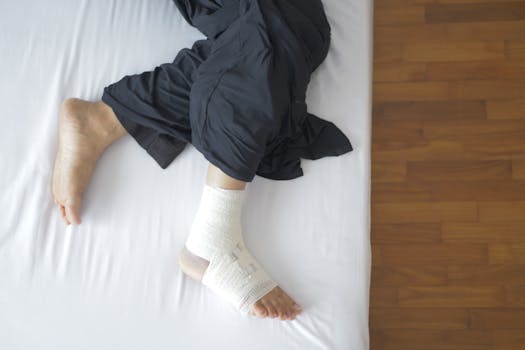
- Compression: Use a bandage to wrap the toe, which helps control swelling.
- Elevation: Keep the foot raised to minimize bleeding and swelling.
These initial steps can offer relief and set the stage for healing.
Home Remedies for Managing Pain
At-home care is vital for recovering from a sprained toe. Over-the-counter pain relievers, such as ibuprofen or acetaminophen, can be effective for managing discomfort. Additionally, gently massaging the toe with essential oils like peppermint or eucalyptus may provide some relief.
Exercises to Support Recovery
Once pain and swelling have decreased, simple exercises can improve mobility and strength. Toe stretches, such as gently pulling the toe or towel curls, can aid in restoring flexibility. Balance exercises are also beneficial for overall foot stability.
When to See a Doctor
If symptoms persist despite self-care, or if there are severe signs such as intense pain, inability to walk, or signs of infection, seek medical attention. A healthcare provider might recommend an X-ray to rule out fractures or prescribe a more intensive rehabilitation plan.
Preventing Future Sprains
Preventing a sprain is always easier than treating one. Ensuring proper footwear and maintaining foot strength through regular exercise can reduce the risk of future injuries. Additionally, practicing caution in activities known for quick direction changes can be helpful.
For more health-related insights, you might find our article on How Blue Light Affects Your Sleep and Eye Health informative.
Additional Resources
For further information on managing minor injuries, you can visit this detailed health guide.
Sprained Toe: A Summary
Understanding the treatment and management of a sprained toe can lead to a quicker recovery and prevent future injuries. By applying the discussed remedies and preventive measures, you can help ensure long-term foot health.
- A sprained toe results from torn ligaments due to sudden impact or twisting.
- Immediate first aid such as R.I.C.E can reduce pain and swelling.
- Home remedies and proper exercises support quicker recovery.
- Seek medical advice if symptoms persist or worsen.
- Prevent future injuries with proper footwear and foot exercises.
What are the symptoms of a sprained toe?
The symptoms include pain, swelling, bruising, and limited range of motion in the affected toe.
How long does it take to recover from a sprained toe?
Recovery time can range from a few days to weeks, depending on the severity of the sprain.
Can I walk on a sprained toe?
It’s advisable to avoid putting weight on a sprained toe until the swelling and pain decrease.
How do I prevent spraining a toe again?
Wearing appropriate footwear, strengthening foot muscles, and being cautious during activities can help prevent future sprains.
When should I see a doctor for a sprained toe?
If the pain is severe, there’s a significant deformity, or it doesn’t improve with home care, consult a healthcare professional.