
Table of Contents
- Unlocking the Power of a High Protein Diet
- Protein Fundamentals for Everyday Health
- Deep Dive into High Protein Diet Benefits
- Practical Ways to Adopt a High Protein Diet
- Advanced High Protein Diet Strategies
- Common Questions About High Protein Diets
- Sustaining the Benefits of a High Protein Approach
Unlocking the Power of a High Protein Diet
Building on balanced eating, let’s explore how a high protein diet can transform your wellness journey. At WellnessHQ, we believe empowering you to lead a healthier life starts with understanding protein’s vital role. This macronutrient is essential for tissue repair, hormone production, and overall bodily functions. According to authoritative guidelines from the Harvard T.H. Chan School of Public Health, adults need about 0.8 grams of protein per kilogram of body weight daily—roughly 50 grams for a 140-pound person—to support these processes effectively.
The high protein diet benefits are compelling, especially for health and fitness. First, protein promotes satiety, helping you feel full longer and aiding high protein diet for weight loss by curbing overeating. Second, it preserves muscle mass during calorie restriction, maintaining your strength and metabolism. Third, a protein-rich eating plan supports metabolic health and reduces chronic disease risks, like heart disease and diabetes, when sourced from healthier options—studies from Harvard show replacing red meat with plant-based proteins can lower these risks significantly.
To incorporate elevated protein intake wisely, choose diverse sources: lean meats like chicken (3-4 oz per serving), plant-based options such as beans and nuts for fiber-rich benefits, and dairy like Greek yogurt. Avoid excessive intake to prevent issues like kidney strain in those at risk.
For sustainable success, balance your high protein diet with veggies and whole grains. We recommend consulting a healthcare professional for personalized plans. For detailed high protein diet best practices, refer to expert guidelines from Harvard. Now that we’ve unlocked its power, discover how to apply it daily through meal ideas and recipes.
Note: The content on WellnessHQ.net is provided for informational and educational purposes only and is not intended as a substitute for professional medical advice, diagnosis, or treatment. Always consult with a qualified healthcare provider before making changes to your health routine.
Protein Fundamentals for Everyday Health
At WellnessHQ, we believe in empowering you with the knowledge to fuel your body right. Protein stands out as a key macronutrient essential for building and repairing tissues, producing enzymes, and regulating hormones. Whether you’re recovering from a workout or supporting your immune system, incorporating a high protein diet into your routine can make a real difference in everyday health. This vital nutrient helps maintain muscle mass, promotes satiety to curb hunger, and even aids in weight management by boosting metabolism. As your premier source for health and wellness information, we’re here to break down the basics so you can make informed choices for total wellness.
Daily Needs
Understanding how much protein your body requires is crucial for optimal health. According to peer-reviewed scientific research from the National Center for Biotechnology Information (NCBI), the recommended dietary allowance (RDA) for sedentary adults is 0.8 grams of protein per kilogram of body weight per day. For those with moderate activity, this rises to 1.3 g/kg, while intense exercisers or older adults aiming to prevent muscle loss may need 1.6 to 2.0 g/kg. We emphasize that daily protein intake health varies by factors like age, activity level, and health goals—consulting a professional ensures you hit the sweet spot without excess, which could strain kidneys in some cases.
These guidelines highlight the high protein diet benefits, such as enhanced recovery and sustained energy, making it easier to stay active and feel your best.
Protein Sources
When it comes to sources, animal and plant-based options each offer unique advantages. Animal proteins like chicken and salmon provide complete amino acid profiles with high bioavailability, meaning your body absorbs them efficiently for muscle repair and overall vitality. Plant sources, such as lentils and quinoa, are excellent for vegetarian diets but often need combining to deliver all essential amino acids—think pairing quinoa with beans for a full spectrum.
To illustrate these differences, here’s a comparison of common high-protein foods:
Comparison of Animal vs. Plant Protein Sources
A table comparing key nutritional profiles of common animal and plant-based high protein foods to help readers understand options for balanced intake.
| Protein Source | Protein per Serving (g) | Calories per Serving | Key Nutrients | Best For |
|---|---|---|---|---|
| Chicken Breast | 25g | 165 | Low fat, B vitamins | Muscle repair |
| Lentils | 18g | 230 | Fiber, iron | Vegetarian diets |
| Salmon | 22g | 200 | Omega-3s, vitamin D | Heart health |
| Quinoa | 14g | 222 | Complete protein, magnesium | Gluten-free options |
As authoritative academic nutrition guidelines from the Harvard T.H. Chan School of Public Health explain, choosing protein sources goes beyond grams—consider the “protein package” of accompanying nutrients. For heart health, opt for omega-3-rich salmon over red meats, which can raise disease risks. If you’re vegetarian or managing weight, fiber-packed lentils promote digestion and fullness without excess calories. Low-fat chicken suits muscle-building goals, while quinoa’s magnesium supports energy for gluten-free eaters. Tailor your picks: a high protein diet for weight loss might favor lean options like chicken at just 165 calories for 25g protein, versus lentil’s 230 for 18g, helping control portions while meeting needs.
These choices align with diverse lifestyles, ensuring you get benefits like better satiety and nutrient density without processed meats. Building on these basics, let’s explore how protein fits into targeted meal plans ahead.
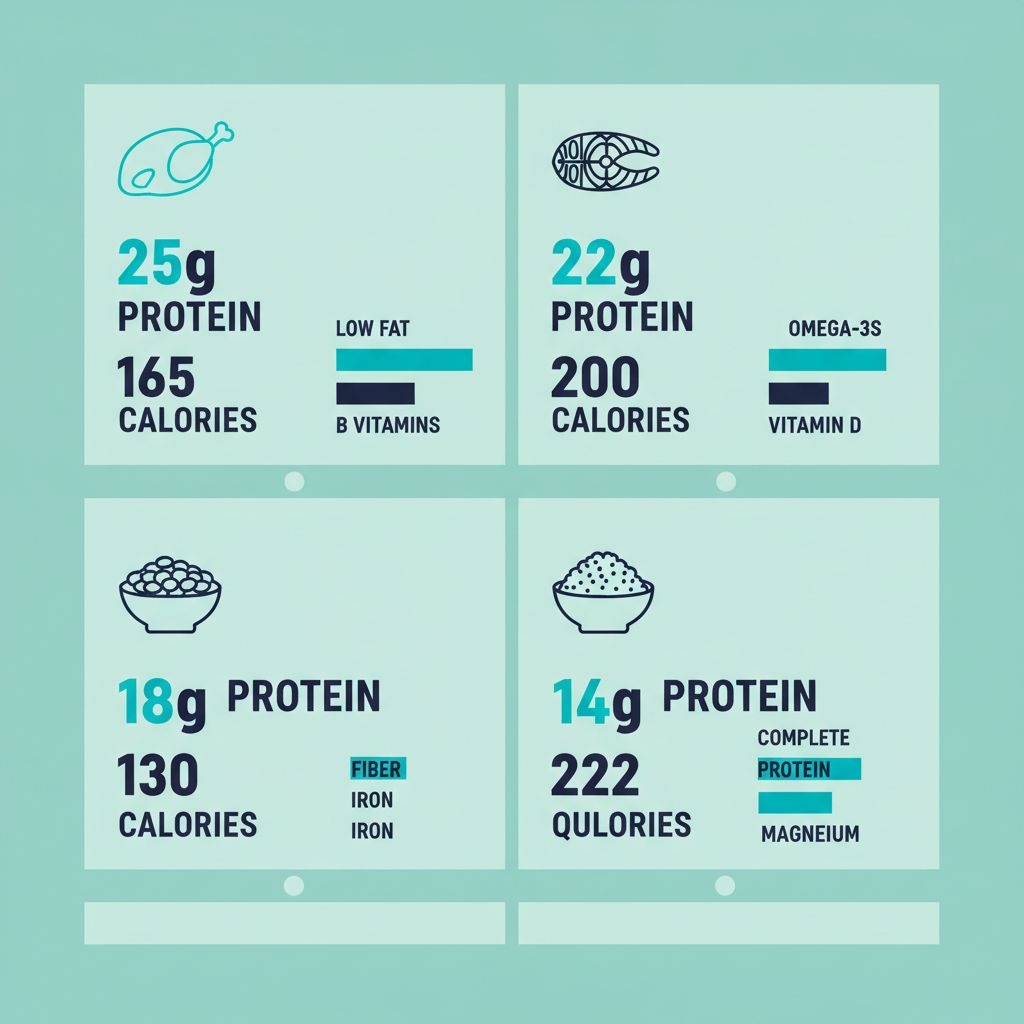
Comparison of protein content and nutrients in animal and plant sources
Achieving balanced protein intake means mixing sources for variety—aim for half from plants to boost fiber and lower environmental impact. Avoid over-relying on supplements unless advised by a doctor; whole foods provide the full package. Remember, the content on WellnessHQ.net is for informational purposes only and not a substitute for professional medical advice—consult your healthcare provider before dietary changes.
Deep Dive into High Protein Diet Benefits
Building on foundational nutrition principles, we at WellnessHQ explore the targeted advantages of a high protein diet. This approach emphasizes increased protein consumption to support various health goals, from physical performance to internal balance. As your premier source for wellness and beauty information, we focus on evidence-based insights to empower and inspire individuals to lead healthier lives. High protein diet benefits include enhanced muscle maintenance and improved metabolic function, making it a popular choice for those seeking sustainable changes.
In this section, we delve into how elevated protein nutrition aids muscle building and recovery, then examine its role in metabolic health. Whether you’re an active enthusiast or managing weight, understanding these benefits can guide your choices. We draw from scientific studies to highlight practical applications, ensuring our content aligns with your journey toward total wellness.
Muscle Building and Recovery with Protein
Muscle protein synthesis (MPS) is the key process where the body builds and repairs muscle tissue, triggered by amino acids from protein-rich foods. When you engage in resistance training, a high protein diet provides the essential building blocks needed for this repair. According to a scientific meta-analysis by the National Institutes of Health, active individuals benefit from 1.6-2.2 grams of protein per kilogram of body weight daily, depending on exercise intensity. This intake optimizes MPS rates, leading to greater lean mass gains over time.
We recommend timing your protein consumption strategically for recovery. Consuming 20-30 grams within 30 minutes post-workout reduces muscle soreness and accelerates repair. The same meta-analysis shows that higher protein levels preserve lean muscle mass during training by up to 20% more than lower intakes. This is particularly valuable for athletes or those in calorie-restricted phases, as it helps maintain strength without sacrificing progress.
Incorporating sources like lean meats, eggs, and dairy ensures a balanced amino acid profile. At WellnessHQ, we see this as a cornerstone for anyone building endurance or power. By prioritizing protein, you support not just immediate recovery but long-term physical resilience, tying into broader wellness goals.
Protein’s Role in Metabolic Health
Beyond physical performance, high protein diets optimize internal processes like metabolism and blood sugar regulation. Protein digestion has a thermogenic effect, boosting your metabolic rate by 15-30% compared to carbohydrates or fats. This increased energy expenditure aids in calorie control, making high protein diet for weight loss an effective strategy. Proteins such as whey and casein slow digestion, promoting steady energy release and better insulin sensitivity.
Research supports high protein diet weight loss through enhanced satiety mechanisms. As peer-reviewed clinical trial evidence from the National Institutes of Health indicates, these diets reduce hunger hormones, leading to 10-15% greater calorie reduction over 12 weeks. This hormonal shift, including elevated GLP-1 and reduced ghrelin, fosters sustainable weight management without adverse effects on bone or kidney health in healthy adults.
For blood sugar stability, certain proteins play a vital role. Practical wellness recommendations supported by nutritional research from WellnessHQ highlight eggs, fish, and legumes, which lower post-meal glucose spikes by 20-25%. These foods slow carbohydrate absorption, improving overall metabolic health. A daily intake of 1.2-1.6 grams per kilogram suits many, especially those monitoring glucose.
Key study findings on satiety stem from protein’s higher diet-induced thermogenesis and preservation of fat-free mass, maintaining resting energy expenditure. The table below compares high protein approaches to standard diets across essential areas:
| Benefit Area | High Protein Diet | Standard Diet | Evidence Source |
|---|---|---|---|
| Satiety and Weight Control | Higher, reduces hunger | Moderate | PubMed Study 32699189 |
| Muscle Mass Preservation | Enhanced during weight loss | Standard | Harvard Nutrition Source |
| Blood Sugar Stability | Improved with certain proteins | Variable | WellnessHQ Blood Sugar Article |
To apply these insights, aim for 30 grams of protein per meal, pairing eggs with veggies or fish in dinners. Track how this enhances your fullness and energy. Consult a healthcare professional before changes, as results vary.
The content on WellnessHQ.net is provided for informational and educational purposes only and is not intended as a substitute for professional medical advice, diagnosis, or treatment. Always consult with a qualified healthcare provider before starting any exercise program, making changes to your health routine, or acting on any health-related information.
Practical Ways to Adopt a High Protein Diet
Building on these advantages, here are practical steps to adopt a high protein diet that can fit seamlessly into your daily routine. At WellnessHQ, we believe in empowering you with simple, effective strategies to make healthier choices.
Sample Meal Plans and Ideas
Adopting a high protein diet starts with customizable meal plans tailored to your lifestyle. For instance, if you’re highly active, you might aim for the higher end of 2,000 calories, bumping up portions of lean proteins, while sedentary individuals could stick closer to 1,800 calories for sustainable weight management. Consider dietary preferences too—vegetarians can swap meats for tofu or lentils, ensuring the plan remains balanced. According to Mayo Clinic guidelines as an authoritative medical institution, such flexibility promotes long-term adherence by incorporating a variety of sources like poultry, fish, and legumes to meet 100-150g of protein daily. This high protein diet for weight loss approach not only supports your goals but also allows for personalization based on activity levels and tastes, making it easier to stay motivated.
To illustrate quick and balanced options, the following table compares high protein meal ideas across the day:
| Meal Type | Sample Option | Protein (g) | Prep Time | Suitability |
|---|---|---|---|---|
| Breakfast | Greek Yogurt Parfait | 20g | 5 min | Quick and vegetarian |
| Lunch | Grilled Chicken Salad | 30g | 15 min | Balanced for weight loss |
| Dinner | Salmon with Quinoa | 35g | 25 min | Omega-rich for health |
These selections highlight variety, from fast breakfasts to nutrient-dense dinners, helping you hit protein targets efficiently.
Stocking your kitchen with essentials makes following these plans effortless. Focus on items like canned tuna for quick lunches, Greek yogurt for creamy snacks, eggs for versatile breakfasts, and lean chicken breasts for dinners. Don’t forget quinoa and fresh veggies to pair with proteins for added fiber. Mayo Clinic meal plans emphasize these staples in their weekly grocery lists, recommending budget-friendly buys to keep things accessible. By preparing a shopping list ahead, you’ll avoid last-minute decisions and ensure your high protein eating plan stays on track, supporting consistent nutrition without overwhelm.
Here are two sample full-day meal templates, each around 1,800-2,000 calories with macros at approximately 40% protein, 30% carbs, and 30% fats:
- Day 1 Template (1,900 kcal, 190g protein, 142g carbs, 64g fats):
- Breakfast: Greek yogurt parfait with berries and almonds (400 kcal, 25g protein).
- Snack: Hard-boiled eggs and apple slices (200 kcal, 12g protein).
- Lunch: Grilled chicken salad with mixed greens and vinaigrette (500 kcal, 45g protein).
- Snack: Cottage cheese with cucumber (200 kcal, 20g protein).
- Dinner: Baked salmon with quinoa and broccoli (600 kcal, 50g protein).
- Day 2 Template (1,850 kcal, 185g protein, 138g carbs, 62g fats):
- Breakfast: Scrambled eggs with spinach and whole-grain toast (400 kcal, 28g protein).
- Snack: Protein shake with whey and banana (200 kcal, 25g protein).
- Lunch: Turkey wrap with avocado and veggies (500 kcal, 40g protein).
- Snack: Handful of nuts and string cheese (200 kcal, 15g protein).
- Dinner: Stir-fried tofu with brown rice and stir-fry vegetables (550 kcal, 45g protein, vegetarian adaptation).
These templates distribute protein evenly to maintain energy throughout the day.
Incorporating Protein for Weight Management
When using protein strategically, it becomes a powerful ally in your weight loss journey. We at WellnessHQ often guide readers on how elevated protein intake enhances satiety, helping you feel full longer and reducing the urge to overeat. One key high protein diet benefits is its role in preserving muscle while shedding fat, which keeps your metabolism humming.
Here are three practical strategies to incorporate protein effectively:
- Time your intake every 3-4 hours: Spacing meals this way curbs hunger spikes. For example, start with eggs at breakfast, then a mid-morning shake—aim for 25-30g per serving to stabilize blood sugar and prevent cravings.
- Portion with a palm-sized guide: Use your hand as a simple measure—about one palm of protein per meal equals 25-30g. Swap carb-heavy snacks like chips for a palm of turkey slices with veggies, cutting calories while boosting fullness.
- Combine with fiber-rich foods: Pair proteins with greens or whole grains for balanced plates. A lunch of grilled chicken over a large salad not only amps up protein but also adds volume without extra calories, ideal for portion control.
For those managing diabetes alongside weight goals, consider blood sugar-friendly options. Practical wellness advice from WellnessHQ highlights supplements like whey isolates that provide steady energy without spikes. In fact, the best protein powder for type 2 diabetes can fit into routines, such as blending collagen peptides into a post-workout drink for sustained satiety. Always chat with your doctor before adding supplements, as individual needs vary.
Real-world tweaks make this approachable: replace pasta sides with zucchini noodles topped with lean beef, or opt for pea protein in smoothies if you’re plant-based. These adjustments align with a high protein diet for weight loss, promoting steady progress.
Remember, the content on WellnessHQ.net is for informational purposes only and not a substitute for professional medical advice—consult your healthcare provider before changes. Track your progress with a journal or app to see how these tweaks impact your energy and scale. With consistent effort, you’ll unlock the full potential of your protein-rich eating plan.
Advanced High Protein Diet Strategies
Building on foundational high protein intake, advanced strategies allow for tailored optimization to meet your unique needs at WellnessHQ. We know that a basic high protein diet provides essential building blocks, but going further personalizes it for goals like weight loss or athletic performance. These approaches consider body weight, activity levels, and lifestyle, ensuring you harness the full high protein diet benefits, such as enhanced satiety and muscle preservation.
Personalizing your protein intake starts with calculating needs based on body weight and activity. For instance, the Recommended Dietary Allowance (RDA) of 0.8 g/kg suits general health, but active individuals require more to support muscle maintenance and recovery. We recommend adjusting for objectives like a high protein diet for weight loss, where elevated intake aids fat loss while sparing lean mass. The following table outlines recommendations by activity level:
| Activity Level | Daily Protein (g/kg body weight) | Example for 70kg Person | Focus Areas |
|---|---|---|---|
| Sedentary | 0.8 | 56g | General health |
| Moderately Active | 1.2-1.6 | 84-112g | Muscle maintenance |
| Athlete | 1.6-2.2 | 112-154g | Performance and recovery |
This comparison highlights how needs scale with demands—sedentary folks focus on baseline health, while athletes prioritize recovery. Peer-reviewed scientific research on PubMed supports ranges of 1.6-2.2 g/kg for performance optimization in active populations, showing synergy with exercise for muscle protein synthesis. You can tweak these for goals, like increasing during calorie deficits for weight management, always consulting a professional.
For vegetarian options, we draw from practical FAQ guidance at Wellness HQ on complete proteins. Quinoa and soy offer all essential amino acids, while combining legumes and grains—like beans with rice—creates balanced profiles. These plant-based choices fit seamlessly into a protein-focused eating regimen without compromising nutrition.
Advanced techniques include timing protein around workouts: aim for 20-40g post-exercise to boost recovery, distributing doses every 3-4 hours. Use supplements judiciously, such as protein supplements that dont spike blood sugar, for low-glycemic support, but prioritize whole foods. Monitor for digestive strain from excess intake to sustain long-term adherence.
To implement, batch-prep high-protein vegetarian meals and track via apps for consistency. These strategies set the stage for sustainable implementation, as explored in meal planning ahead.
Common Questions About High Protein Diets
Building on the advantages we’ve discussed, here are answers to common questions about a high protein diet from WellnessHQ’s wellness FAQ guidance. We aim to provide practical insights to help you make informed choices.
What is a high protein diet?
A high protein diet emphasizes elevated protein intake from sources like lean meats, eggs, dairy, and plant-based options, typically making up 25-35% of daily calories to support muscle health and satiety.
What are the main benefits?
High protein diet benefits include muscle preservation, increased fullness, and better metabolic health. Certain proteins that help lower blood sugar can enhance effectiveness for stable energy levels, as per our internal dietary tips.
Is it suitable for weight loss?
Yes, a high protein diet for weight loss aids calorie control by curbing hunger and boosting metabolism, making it ideal for sustainable fat loss when balanced with veggies and whole grains.
What are potential side effects?
Risks like kidney strain are minimal for healthy individuals, but those with pre-existing conditions should be cautious. WellnessHQ FAQs note myths about harm are overstated without underlying issues.
How much protein is recommended daily?
For active people, aim for 1.6-2.2 grams per kg of body weight from diverse sources, adapting for vegetarians via beans and nuts, according to our tailored adaptation tips.
Always consult a healthcare professional for personalized advice. For practical examples, see the following recipes tailored to high protein needs.
Sustaining the Benefits of a High Protein Approach
While starting a high protein diet yields quick results, sustaining them requires intentional habits. At WellnessHQ, we emphasize long-term adherence to support muscle preservation and metabolic health.
For sustainability, try meal prepping with diverse sources like lean meats, eggs, and plant-based options; monitor portions to stay under 2g per kg body weight; and schedule periodic check-ins with your healthcare provider to track kidney function, such as creatinine levels. To avoid loopholes like protein fatigue or digestive issues, rotate sources and add fiber-rich vegetables to every meal.
Peer-reviewed evidence from the National Center for Biotechnology Information (NCBI) shows that 1.6-2.2g/kg intakes offer sustained high protein diet benefits for body composition in active adults, without adverse renal effects in healthy individuals—ideal for high protein diet for weight loss.
Set realistic goals and track progress with body measurements, not just the scale. Always consult a professional before changes. Incorporating these strategies into daily meals, as explored next, ensures lasting success.
The content on WellnessHQ.net is provided for informational purposes only and is not a substitute for professional medical advice.
This article was researched and written with the assistance of AI tools.
Resources
- Discover Proteins to Stabilize Blood Sugar Levels
- Find Protein Supplements Without Blood Sugar Spikes
- Select Best Protein Powder for Type 2 Diabetes
- Implement Seven-Step Corporate Wellness Programs Effectively
- Design Engaging Wellness Programs for Better Productivity
- Start Wellness Programs Using SMART Goals Guide
- Integrate Fitness Nutrition in Comprehensive Wellness Programs
- Achieve Weight Loss Through High-Protein Diet Strategies
- Adopt Best Practices for Sustainable Protein Consumption
- Optimize Daily Protein Intake for Health Benefits
- Build Muscle with High-Protein Diet Recommendations
- Follow Mayo Clinic High-Protein Meal Plan