
Table of Contents
- The Importance of Gut Health in Daily Wellness
- Fundamentals of Gut Health
- Key Benefits of Maintaining Gut Health
- How Gut Health Influences Your Body
- Practical Ways to Support Gut Health
- Embracing Gut Health for Long-Term Wellness
The Importance of Gut Health in Daily Wellness
At WellnessHQ.net, we believe gut health forms the foundation of daily wellness, empowering individuals to lead healthier lives through simple, informed choices. Gut health refers to the balance of microorganisms in your digestive tract that supports efficient digestion and influences overall well-being. We’ve all felt the boost from a nourishing meal that leaves us energized and clear-headed, highlighting how this intestinal balance connects to our everyday vitality.
The gut microbiome, a diverse community of trillions of microbes, acts like a garden ecosystem, fostering digestive wellness while playing a key role in immunity. Research from sources like PubMed underscores its impact, showing microbial diversity helps regulate energy levels, mood, and immune responses by aiding nutrient absorption and reducing inflammation. Modern factors such as poor diet and chronic stress can disrupt this balance, leading to fatigue or discomfort. Here, we explore understanding the microbiome, its benefits, underlying mechanisms, and best practices, including gut healing protocol insights for lasting improvements.
Incorporating foods for gut health and mindful habits can transform your routine. As your premier source for wellness and beauty information, we invite you to discover how these small steps enhance well-being. Remember, this content is for educational purposes only—consult a healthcare professional for personalized advice.
Fundamentals of Gut Health
At WellnessHQ.net, we often overlook how our gut affects us daily, serving as a key player in our overall wellness. This section dives into the basics of gut health, helping you understand its foundational elements without stepping into medical territory. By exploring the microbial ecosystem within, we can appreciate why maintaining balance matters for digestion and beyond.
What Defines a Healthy Gut
A healthy gut represents a harmonious balance in our digestive system, where trillions of microorganisms work together to support efficient digestion and nutrient uptake. We define gut health by the stability of this microbial balance, often called the digestive flora, which influences how well our bodies absorb vitamins and minerals. This balance is crucial for breaking down food and preventing issues that could disrupt our daily comfort.
Think of the gut as a bustling city, teeming with diverse residents that keep everything running smoothly. When in equilibrium, it aids in immune function and even mood regulation through its connections to other body systems. At WellnessHQ.net, we empower and inspire individuals to lead healthier lives by highlighting these core components, reminding us that gut health forms the bedrock of total wellness.
The Gut Microbiome Explained
The gut microbiome refers to the vast community of bacteria, fungi, and other microbes residing in our intestines, numbering around 100 trillion organisms according to research from PubMed. This diverse ecosystem varies greatly among individuals, shaped by factors like genetics, environment, and lifestyle, and it plays a pivotal role in supporting overall wellness.
We see the microbiome’s functions in action through its breakdown of complex carbohydrates into usable energy and its production of essential vitamins. Diversity within this microbial ecosystem fosters resilience, enhancing nutrient absorption and bolstering the immune system by training it to recognize threats. Studies link gut microbiome modulation to better metabolic health, such as improved responses to dietary inputs, without making direct health promises.
Drawing from nutritional research, the microbiome interacts with our diet to influence everything from energy levels to inflammation control. For instance, certain microbes ferment fibers to create short-chain fatty acids that nourish gut cells. As our premier source for health and beauty information, we highlight how understanding this composition encourages mindful choices, like incorporating foods for gut health that promote beneficial bacteria growth. Transitioning to potential warning signs helps us stay proactive in our wellness journey.
Common Symptoms of Imbalance
When gut balance shifts, we might notice general signs that something feels off, though these vary by person.
- Bloating or gas after meals, indicating possible fermentation issues in the digestive flora.
- Irregular bowel movements, like constipation or diarrhea, suggesting disrupted microbial activity.
- Fatigue or low energy, as the gut’s role in nutrient absorption affects vitality.
- Unexplained skin irritations or mood fluctuations, hinting at broader microbiome influences.
These are common indicators, not diagnoses, and we encourage seeking professional input if they persist. Remember, the content on WellnessHQ.net is provided for informational and educational purposes only and is not intended as a substitute for professional medical advice, diagnosis, or treatment. Always consult with a qualified healthcare provider before making changes to your health routine. By recognizing these signs early, we can take steps toward fostering a thriving gut and embracing the positive outcomes of wellness.
Key Benefits of Maintaining Gut Health
At WellnessHQ.net, we believe nurturing your gut is a cornerstone of overall wellness, empowering you to feel your best every day. Just as we explore in our comprehensive guides, prioritizing gut health can lead to noticeable improvements across multiple areas of life. From smoother digestion to a brighter mood, the rewards extend far beyond the basics, making it a smart focus for anyone aiming to thrive.
Gut Health and Digestion
Gut health plays a vital role in keeping our digestive system running smoothly, allowing us to absorb nutrients more effectively and avoid common discomforts. When our internal ecosystem is balanced, food breaks down efficiently, reducing issues like bloating or irregularity that many of us experience after meals. We can all benefit from tuning into our gut, as simple habits foster this harmony without overcomplicating our routines.
Research highlights the gut microbiome nutrition connection, showing how diet influences microbial activity to support nutrient signaling throughout the body. This means everyday choices, like incorporating fiber-rich veggies, help our gut co-digest foods and enhance uptake of vitamins and minerals essential for energy.
- Improved absorption: Essential nutrients reach cells more readily, boosting vitality.
- Reduced inflammation: A balanced gut minimizes gut lining irritation, easing daily comfort.
- Better bowel regularity: Probiotic benefits promote consistent digestion patterns.
These perks make maintaining gut health a practical step toward feeling lighter and more nourished.
Connection to Mental Health
The fascinating gut-brain link reveals how our gut influences mood and stress levels, often in ways we might not expect. At WellnessHQ.net, we emphasize this connection in our wellness resources to help you understand the mind-body ties that affect daily life. A thriving gut microbiome can contribute to emotional balance, supporting resilience during challenging times.
Studies, including those on microbial diversity, link lower gut variety to conditions like anxiety and depression, with shifts in bacteria like Firmicutes playing a role. Probiotics and dietary adjustments show promise in easing symptoms, offering natural ways to nurture mental well-being alongside traditional approaches.
We encourage exploring this axis through mindful eating, as it empowers us to support both gut and mind. For instance, starting your day with fermented foods can subtly enhance that sense of calm we all seek.
- Mood stabilization: Beneficial bacteria aid neurotransmitter production for steadier emotions.
- Stress management: The gut-brain pathway helps regulate responses to everyday pressures.
- Cognitive clarity: Healthier gut signals may sharpen focus and reduce mental fog.
By fostering this connection, we unlock a more positive outlook effortlessly.
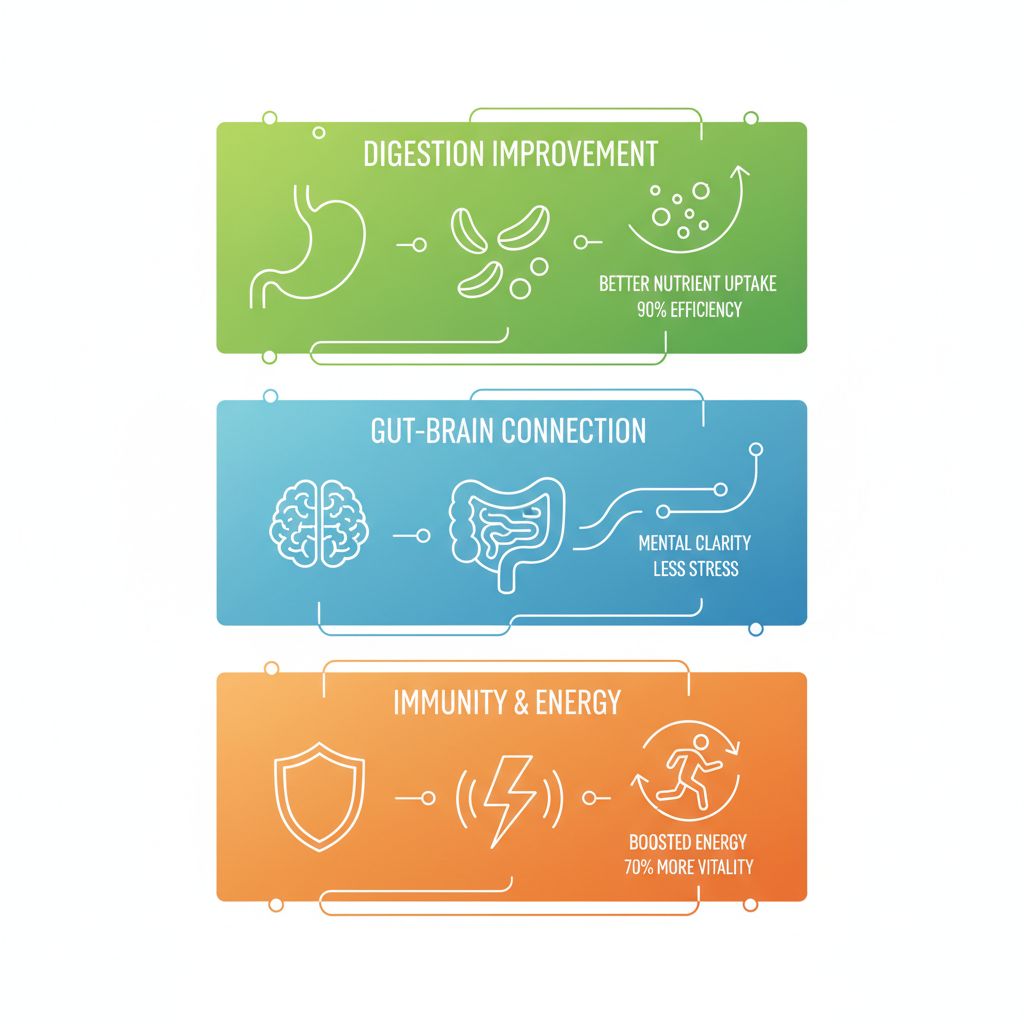
Key benefits of maintaining optimal gut health illustrated
This visual underscores the interconnected advantages, reminding us how small gut-focused changes ripple into greater wellness. Moving beyond the mind, let’s see how it bolsters our body’s defenses and vitality.
Broader Wellness Impacts
A healthy gut extends its support to immunity and sustained energy, forming a foundation for robust health that we all deserve. Through microbial barriers, it helps fend off pathogens while regulating inflammation, keeping us resilient year-round. At WellnessHQ.net, our guides highlight these ties to inspire practical steps toward lasting vitality.
The gut microbiome acts as a shield, with diverse bacteria producing compounds that strengthen immune responses and maintain balance. Foods for gut health, such as those rich in prebiotics, nourish this system, enhancing overall protection without drastic changes.
Consider adding honey to yogurt, as research shows it boosts probiotic survival for better digestive and immune function. This simple combo, with its antioxidants, exemplifies how delicious choices promote wellness.
- Enhanced immunity: Gut bacteria train defenses against invaders effectively.
- Increased energy: Optimal nutrient use fuels daily activities without crashes.
- Inflammation control: Balanced microbes reduce chronic low-grade issues.
These benefits align with our mission to empower healthier lives, though remember, content here is for informational purposes only—consult a healthcare provider for personalized advice.
As we wrap up these insights, the mechanisms behind them pave the way for actionable strategies in the next section.
How Gut Health Influences Your Body
At WellnessHQ.net, we believe understanding the inner workings of our bodies empowers us to make better choices for our well-being. Gut health plays a pivotal role in how our entire system functions, from breaking down meals to fighting off threats. Let’s explore these connections step by step, focusing on the science that shows why a balanced gut matters to our daily lives.
The Role of the Gut Microbiome
We rely on our gut microbes daily to keep things running smoothly. The gut microbiome, a vast community of trillions of bacteria, fungi, and other microorganisms living in our intestines, acts like a hidden workforce. It ferments undigested fibers through bacterial fermentation, producing essential compounds that support various bodily functions.
One key job is maintaining the gut barrier, a protective layer that prevents harmful substances from leaking into the bloodstream. Disruptions, such as intestinal methanogen overgrowth, can lead to issues like bloating and slowed digestion, as noted in recent meta-analyses. Symptoms often include abdominal pain and constipation, highlighting how imbalances affect comfort. Beyond digestion, this microbiome influences metabolism, hormone regulation, and even mood via the gut-brain axis. By fostering diversity, we support these interactions, tying directly into overall gut health and vitality.
Digestion and Nutrient Absorption
When we eat, gut health steps in to make the most of our meals. The gut microbiome collaborates with digestive enzymes to break down complex carbohydrates, proteins, and fats that our stomach and small intestine can’t handle alone. This process starts in the colon, where microbes ferment fibers into short-chain fatty acids like butyrate, which nourish intestinal cells.
These acids also enhance nutrient absorption by improving the gut lining’s integrity, allowing vitamins, minerals, and amino acids to pass into the bloodstream efficiently. For instance, without a healthy gut microbiome, we might miss out on B vitamins produced by bacteria. Issues like overgrowth can hinder this, causing malabsorption and fatigue. Key steps include:
- Food breakdown by stomach acids and enzymes.
- Microbial fermentation in the large intestine.
- Absorption facilitated by a permeable yet selective barrier.
This efficient system ensures we get the fuel our bodies need, answering how gut health and digestion interconnect for sustained energy.
Links to Immunity and Inflammation
Our gut is a frontline defender, and its microbes shape our immune responses. About 70% of immune cells reside here, trained by the gut microbiome to distinguish friends from foes. Beneficial bacteria produce anti-inflammatory signals, like short-chain fatty acids, that calm inflammatory pathways and prevent overreactions.
When balance falters, such as in overgrowth scenarios, it can trigger chronic low-grade inflammation, leading to symptoms like joint pain or fatigue, as systematic reviews of patient profiles reveal. On the positive side, incorporating fermented foods benefits such as yogurt and kimchi introduces live cultures that bolster this defense. These foods for gut health promote microbial diversity, enhancing antibody production and reducing allergy risks.
We see this in how a diverse microbiome regulates T-cells and cytokines, key to warding off infections. Supporting these links through diet can lower inflammation risks, paving the way for practices that nurture our natural protections.
The content on WellnessHQ.net is provided for informational and educational purposes only and is not intended as a substitute for professional medical advice, diagnosis, or treatment. Always consult with a qualified healthcare provider before making changes to your health routine.
Practical Ways to Support Gut Health
At WellnessHQ.net, we believe small, consistent changes can make a big difference in how you feel every day. Building a supportive environment for your gut doesn’t require overhauling your life overnight. Instead, we focus on enjoyable, sustainable habits that nourish your body from the inside out. Let’s explore practical ways to enhance your well-being through diet and daily routines.
Incorporating Gut-Friendly Foods
We make it simple to start today by choosing everyday honey yogurt gut health options and other probiotic-rich foods. These choices help maintain a balanced gut microbiome, which is essential for digestion and overall vitality. For instance, adding honey to yogurt not only boosts flavor but also acts as a prebiotic, promoting the growth of beneficial bacteria like Bifidobacterium animalis, as supported by research from institutions like the University of Illinois.
Incorporate these foods for gut health into your meals:
- Fermented favorites like kefir and sauerkraut to introduce live cultures.
- Fiber-rich vegetables such as onions and garlic, which serve as natural prebiotics.
- Whole grains like oats for steady fiber intake that feeds good bacteria.
- Berries and apples, packed with antioxidants to support microbiome diversity.
- Legumes like lentils for plant-based protein and soluble fiber.
Swapping in these items gradually can enhance nutrient absorption and reduce discomfort. Remember, variety keeps things exciting while providing broad benefits.
Lifestyle Habits for Balance
Beyond the plate, we encourage habits that complement your dietary efforts and promote gut function. Staying hydrated, managing stress, and prioritizing sleep all play key roles in a healthy gut, as evidenced by studies on the gut-brain axis, including those linking microbial diversity to reduced anxiety through PubMed-reviewed research.
Here are some easy routines to adopt:
- Drink plenty of water throughout the day to aid digestion and flush toxins.
- Practice stress-relief techniques like deep breathing or short walks to lower inflammation.
- Aim for 7-9 hours of quality sleep nightly, which allows gut repair.
- Include moderate exercise, such as yoga, to boost circulation and bacterial balance.
- Chew food slowly during meals to support initial breakdown in the gut.
These practices create a harmonious routine that supports long-term wellness without feeling overwhelming. By weaving them in, you’ll notice more energy and comfort over time.
Steps to Improve Gut Health
Ready to take action? We guide you through practical steps to improve gut health, drawing from protocols like the 5R approach that emphasize removal of irritants, replacement with nutrients, reinoculation, repair, and rebalancing lifestyle factors.
- Track your current intake for a week to identify patterns in fiber intake and identify tweaks.
- Plan meals around gut-friendly ingredients, starting with one fermented food daily.
- Introduce hydration goals, like infusing water with lemon for added appeal.
- Monitor changes in energy or digestion after two weeks, adjusting as needed.
- Consult a healthcare provider for personalized insights, ensuring safe integration.
Consistency is key, and we celebrate every step toward better habits. The content on WellnessHQ.net is provided for informational and educational purposes only and is not intended as a substitute for professional medical advice, diagnosis, or treatment. Always consult with a qualified healthcare provider before making changes to your health routine.
Embracing Gut Health for Long-Term Wellness
As we conclude this guide, embracing gut health emerges as a cornerstone of long-term wellness. We’ve explored how nurturing the gut microbiome supports everything from digestion to mental clarity, highlighting the vital role of foods for gut health in fostering balance. By incorporating fiber-rich produce, fermented options, and mindful eating practices, you can cultivate a thriving wellness ecosystem that enhances overall vitality and sustained digestive balance.
Maintaining this equilibrium is key, as imbalances like intestinal methanogen overgrowth can disrupt comfort and daily life, according to recent systematic reviews underscoring the need for targeted balance. We encourage regular check-ins with clinicians when symptoms persist, so care plans stay personalized and effective and evidence based. We also delved into mechanisms linking gut health to broader benefits, from immune support to mood regulation, drawing on nutritional insights that emphasize dietary patterns’ long-term implications for well-being.
We hope these insights empower your journey toward vibrant health at WellnessHQ.net, your premier source for health and beauty information. Keep exploring practical steps, and remember to consult professionals for personalized advice. Let’s commit to these habits together for enduring wellness.
Resources
- Heal Your Gut with the Four-Step Protocol Guide
- Boost Digestive Health Using Honey-Yogurt Probiotic Pair
- Understand Intestinal Methanogen Overgrowth Causes and Treatments
- Discover High-Protein Foods to Stabilize Blood Sugar Levels
- Guide to Selecting Effective Blood Glucose Testing Kits
- Adopt Mediterranean Diet for Optimal Diabetes Management
- Master Strategies for Balancing Blood Sugar Effectively
- Modulate Gut Microbiome for Better Chronic Health Outcomes
- Explore Diet-Microbiome Connections for Health Optimization
- Enhance Gut Health with Live Fermented Foods Guide
- Uncover Gut Microbiome Links to Mental Health Disorders
- Target Depression Through Gut Microbiome and Diet Interventions