Many individuals seeking dental restoration solutions have encountered the term zirconia bridge. This dental appliance provides an aesthetically pleasing, durable option for anyone looking to restore their smile. Known for its strength and natural appearance, a zirconia bridge is becoming a popular choice in dental practices worldwide.
Understanding the Zirconia Bridge
A zirconia bridge is a type of dental prosthesis used to replace missing teeth. Constructed from zirconium dioxide, a robust ceramic material, it offers several advantages over traditional metal-ceramic options. Dental professionals often recommend zirconia bridges due to their durability, biocompatibility, and lifelike appearance.
Zirconia bridges are particularly beneficial for patients requiring a prosthesis in the front of the mouth where aesthetics are paramount. The material’s translucent properties mimic natural tooth enamel, which helps to achieve a seamless and natural look. Furthermore, zirconia is resistant to staining, ensuring that the bridge maintains its appearance over time.
Benefits of Choosing a Zirconia Bridge
There are multiple advantages to selecting a zirconia bridge for dental restoration. Aside from its aesthetic appeal, zirconia is remarkably strong and long-lasting. This durability minimizes the risk of chipping or cracking, common concerns with alternative materials. For individuals with metal allergies, zirconia serves as a hypoallergenic option, reducing the risk of adverse reactions.
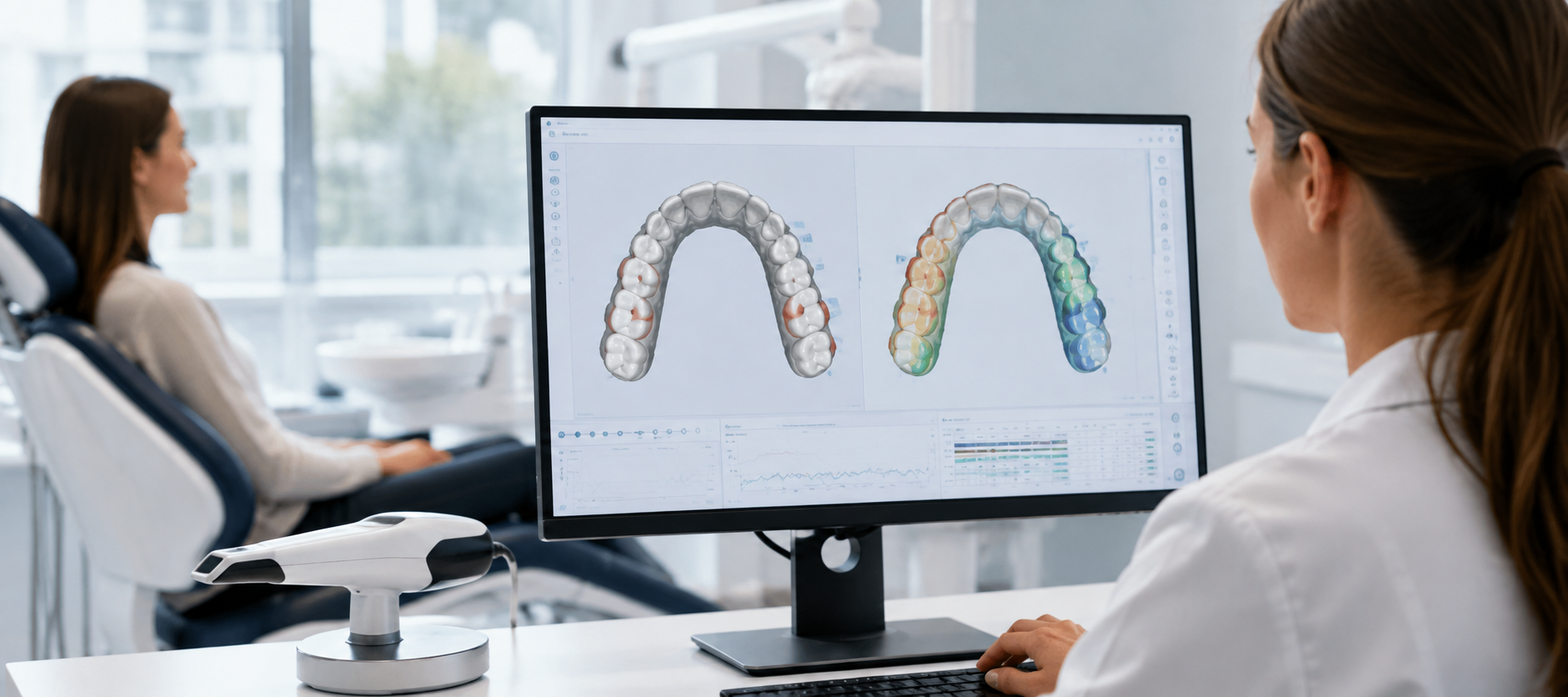
The precision with which zirconia bridges are crafted also contributes to their popularity. Utilizing computer-aided design and manufacturing technologies, dental professionals can create a customized fit for each individual, promoting comfort and functionality.
Comparing Zirconia Bridges to Other Dental Solutions
While zirconia bridges offer considerable benefits, it’s important to understand how they compare to other dental restoration options. Porcelain-fused-to-metal bridges, for instance, have been a traditional choice for many years. However, they can result in a visible metal line at the gum, unlike zirconia bridges, which provide a more natural look throughout.
For those wondering about alternative treatments, understanding your options for a confident smile can be highly beneficial. Evaluating various types of dental implants can aid in making an informed decision.
Procedure and Care for a Zirconia Bridge
The process of getting a zirconia bridge typically involves multiple appointments. Initially, the dentist prepares the teeth adjacent to the gap by reshaping them to accommodate the bridge. Afterward, an impression of the area is taken to ensure a precise fit. This impression is then used to fabricate the zirconia bridge, custom-made to match the patient’s oral structure.
Once the bridge is ready, the dentist will cement it into place, ensuring a secure and comfortable fit. Patients are then advised on proper care, which includes regular brushing and flossing to maintain oral hygiene. Professional check-ups are essential to ensure the bridge remains in optimal condition.
Cost Considerations and Insurance
One of the primary considerations for patients looking into zirconia bridges is cost. While they may be more expensive than some other options, the long-term benefits often outweigh the initial investment. Insurance coverage can vary, so it is important to review individual plans and possibly discuss payment options with your dental provider.
External resources, such as this entry on health, can provide further insights into managing dental health and related expenses.
Concluding Thoughts on Zirconia Bridges
In summary, a zirconia bridge can be an excellent choice for those seeking a reliable and visually appealing dental restoration. Its benefits extend beyond aesthetics, offering strength and compatibility with all patients. By considering personal needs and consulting with dental professionals, individuals can achieve a beautiful and functional smile.
- Zirconia bridges are known for their strength and natural appearance.
- They offer a customizable fit through advanced manufacturing technologies.
- Zirconia is biocompatible, reducing the risk of allergic reactions.
- Proper care and maintenance are key to the bridge’s longevity.
- Cost may be higher initially but is often justified by durability.
What are the advantages of a zirconia bridge?
The primary advantages include strength, durability, and a natural appearance. The bridge is also resistant to staining, and its hypoallergenic properties make it suitable for those with metal allergies.
How long do zirconia bridges last?
Zirconia bridges can last significantly longer than other materials, often providing service for more than a decade with proper care and maintenance.
Are zirconia bridges expensive?
They can be more costly than other options initially, but their long-term benefits and durability often justify the higher price. It’s advisable to check with your insurance provider regarding coverage.
Can anyone get a zirconia bridge?
Most individuals missing teeth can benefit from zirconia bridges, assuming there is sufficient surrounding dental structure to support the bridge. A dental evaluation is necessary to determine suitability.
Is the procedure for getting a zirconia bridge painful?
The procedure is typically not painful, as dentists use local anesthesia during preparation. Any post-procedure discomfort is generally minimal and manageable.