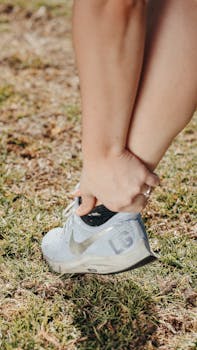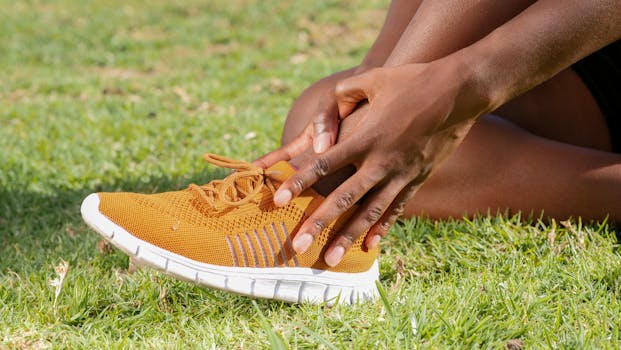
Heel bursitis is a common condition that can cause significant discomfort and hinder mobility. It occurs when the bursae, small fluid-filled sacs that cushion the bones, tendons, and muscles near your heels, become inflamed. Understanding how to manage heel bursitis effectively can help alleviate pain and improve your quality of life.
Understanding Heel Bursitis
Heel bursitis can result from repetitive movements or prolonged pressure on the heel. Common causes include running, jumping, or wearing ill-fitting shoes. The inflammation often leads to pain and swelling in the heel area, making it difficult to walk or stand for long periods.
Symptoms of Heel Bursitis
Recognizing the symptoms of heel bursitis is crucial for early intervention. Common signs include:
- Pain in the heel, especially when moving
- Swelling and warmth in the heel area
- Limited range of motion in the ankle
- Difficulty walking or standing
Causes and Risk Factors
Several factors can increase the risk of developing heel bursitis. These include engaging in high-impact activities, wearing inappropriate footwear, and having underlying conditions such as arthritis. It’s important to understand your risk factors to take preventive measures.
Effective Management Strategies
Managing heel bursitis involves a combination of self-care techniques and medical treatment. Here are some effective strategies:
Rest and Ice Therapy
Allowing your heel to rest and applying ice can reduce inflammation and pain. Rest is especially important if heel bursitis is due to overuse. Ice packs should be applied to the affected area for 15-20 minutes several times a day.
Footwear and Orthotics
Wearing shoes that provide proper support and cushioning is crucial. Consider orthotic devices or heel pads to reduce strain on the heel. These can help distribute pressure more evenly across the foot.
Physical Therapy Exercises
A physical therapist can guide you in exercises that strengthen the muscles around your ankle and improve flexibility. Stretching exercises can help reduce the tension in the heel and prevent further injury.
Medications and Medical Interventions
Over-the-counter pain relievers like ibuprofen can help manage pain and inflammation. In severe cases, a healthcare provider may recommend a corticosteroid injection or aspiration of the bursa fluid to relieve symptoms.
Consulting with a healthcare professional for personalized treatment advice is always recommended. For more information on dietary approaches that may support conditions like bursitis, visit our guide on lowering blood sugar through nutrition.
Lifestyle and Prevention Tips
Preventing heel bursitis is often about maintaining a healthy lifestyle and being mindful of activity level and footwear. Here are some tips:
Maintain a Healthy Weight
Excess weight can increase the pressure on your heels, leading to inflammation. Maintaining a healthy weight can reduce the likelihood of developing bursitis.
Gradual Increase in Activity
When beginning a new exercise routine, gradually increase both the duration and intensity. This will help your body adapt without putting undue stress on your heels.
Regular Foot Care
Regularly inspecting your feet for any signs of stress or injury can prevent complications. Keeping your feet clean and dry, and wearing breathable footwear, can support overall foot health.
While these strategies can help manage heel bursitis, seeking advice from a healthcare professional for a tailored plan is vital. For detailed medical insights, you can explore resources like this health overview on Wikipedia.
- Heel bursitis is caused by inflammation of the bursa in the heel.
- Symptoms include pain, swelling, and limited movement.
- Rest, ice, and proper footwear can effectively manage the condition.
- Physical therapy may help improve flexibility and strength.
- Consult a healthcare provider for personalized care.
What is heel bursitis?
Heel bursitis is an inflammation of the bursae located in the heel area, causing pain and swelling.
How can I prevent heel bursitis?
Prevention involves wearing supportive footwear, maintaining a healthy weight, and gradually increasing exercise intensity.
When should I see a doctor for heel bursitis?
If pain and swelling persist despite self-care measures, or if movement becomes significantly limited, consult a healthcare professional.
Are there any long-term effects of untreated heel bursitis?
Untreated heel bursitis can lead to chronic pain and limited mobility, emphasizing the importance of early management.
Can footwear impact the development of heel bursitis?
Yes, wearing ill-fitting shoes can contribute to the development of heel bursitis by increasing pressure on the heel.