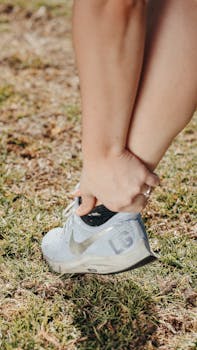
Experiencing pain on top of foot when walking can be quite uncomfortable and may interfere with your daily activities. This type of discomfort can arise from a variety of causes, ranging from simple overuse to more complex conditions. In this article, we’ll explore potential reasons for this pain and provide insights into how you can address them.
Common Causes of Pain on Top of Foot When Walking
The top of your foot can experience pain due to several conditions that affect the surrounding bones, tendons, and ligaments. Identifying the specific cause is crucial for effective treatment and relief.
1. Overuse and Stress Fractures
Overuse is a common cause of foot pain, especially for those who engage in repetitive activities like running or brisk walking. Stress fractures can develop from excessive strain on the foot bones, particularly if they are not given adequate time to recover. Symptoms may include a tender and swollen foot area.
2. Tendonitis
Tendonitis, specifically extensor tendonitis, occurs when the tendons that run along the top of your foot become inflamed. This condition is often caused by wearing tight shoes or lacing them too tightly. Pain and swelling are typical symptoms.
3. Foot Abnormalities
Structural issues like a high arch or flat feet can contribute to foot pain. These abnormalities can alter the way weight is distributed across your feet, leading to added stress on specific areas and consequently, discomfort on the top of the foot.
4. Arthritis
Arthritis, particularly osteoarthritis, can impact any joint in the body, including those in your feet. It causes inflammation and pain, which might flare up during activities such as walking. Consider consulting a healthcare provider if you suspect arthritis as a cause.
5. Nerve Compression
Nerve compression or entrapment in the foot can also lead to pain on top of foot when walking. Conditions like nerve cysts or ganglions can press against nerves and cause discomfort.
Managing and Treating Pain on the Top of Your Foot
Once you understand what’s causing your pain, you can explore different management strategies to alleviate it.
Rest and Ice
The first step in treating foot pain is often rest. Avoid activities that exacerbate your symptoms and apply ice to the affected area to reduce swelling and discomfort.
Proper Footwear
Ensure that you’re wearing correct footwear that offers adequate support. Tight shoes can aggravate tendonitis, so consider footwear with a roomy toe box and proper arch support.
Physical Therapy
Engaging in physical therapy exercises can strengthen the muscles around your foot and improve flexibility. A therapist can guide you through specific exercises tailored to your condition.
Medication
Over-the-counter pain relievers like ibuprofen can help manage pain and reduce inflammation. For persistent issues, consult a healthcare provider for more personalized options.
Consulting with a Professional
If pain persists, it may be necessary to visit a podiatrist or an orthopedic specialist. These professionals can offer more specific diagnoses and recommend treatments like orthotic devices or possibly surgical interventions if needed.
Proper management and early intervention can prevent minor foot pain from developing into a more serious condition. It’s vital to pay attention to your body’s signals and respond appropriately.
For further reading on related issues, you can visit our article on swollen foot after hip operation.
Frequently Asked Questions
What should I do if the pain on the top of my foot is severe?
If you experience severe pain that does not improve with rest, consult a healthcare professional to rule out conditions like stress fractures or nerve issues.
Can shoes really make a difference in foot pain?
Yes, wearing properly fitting shoes with adequate support can significantly affect foot health and minimize pain. Ensure that your shoes aren’t too tight and that they offer appropriate arch support.
Are there exercises that help with pain on top of foot?
Yes, exercises that focus on stretching and strengthening the foot and ankle muscles can be beneficial. A physical therapist can provide a personalized exercise regimen suited to your needs.
Is it common for foot pain to come and go?
Foot pain can vary, often fluctuating with activity level and footwear. Pay attention to triggering activities or shoes and adjust accordingly.
When should I see a doctor about my foot pain?
Seek professional advice if your foot pain is persistent, severely impacting your ability to walk, or if home remedies and over-the-counter treatments do not offer relief.
Exploring the underlying causes of pain on top of foot when walking is essential to effective treatment and relief. Understanding potential conditions, adjusting lifestyle habits, and consulting a healthcare provider are key components of managing this discomfort.
For more comprehensive health information, consider visiting this reliable resource.
- Rest and proper footwear are crucial for managing foot pain.
- Consider physical therapy exercises to strengthen foot muscles.
- Persistent pain should be evaluated by a healthcare professional.
- Over-the-counter pain relief and ice help manage symptoms.
- Foot structure and tension are common contributors to discomfort.